
Complex systems. Understandable interfaces.
Industrial UX, technical dashboards, monitoring and internal tools — for organizations with powerful systems whose interfaces and information structures are hard to use.
The situation
The systems can do a lot — but the way they're operated was rarely designed. The result: powerful technology that's hard to use day to day, knowledge tied to individuals, and interfaces that produce errors rather than prevent them.
- Powerful systems with hard-to-use interfaces.
- Technical knowledge tied to individual people.
- Monitoring and internal tools that obscure more than they show.
From technology to usability
- System
- Understand
- Structure
- Interface
- Operation
The approach
Mitterberger:Lab doesn't claim to know your domain better than you — it designs the layer where people work with your systems. Understandable interfaces, clear information structures and tools that carry the day-to-day.
- Focus on the human-system layer, not your technical domain.
- Interfaces that make complexity legible and operable.
- Turning knowledge in people's heads into usable structures.
What changes
Instead of
- Powerful systems that are hard to operate
- Knowledge stuck to individuals
- Monitoring that says nothing
- Internal tools that produce errors
- Training to compensate for poor UX
You gain
- Operable interfaces for complex technology
- Technical dashboards with a link to action
- Internal tools that carry the day-to-day
- Knowledge in usable structures
- Fewer errors through clear interfaces
Capability areas
Industrial UX
Understandability and usability for technically dense environments — where errors are costly.
Technical dashboards & monitoring
Presenting operational and process data so state and next action are clear.
Internal tools & process interfaces
Tools for the technical day-to-day — from maintenance to service processes.
Information architecture
Ordering technical information and documentation so it's findable and usable.
AI-assisted technical workflows
AI where it noticeably relieves technical evaluation, research or monitoring.
Data platforms
Bringing distributed technical data sources together in one understandable surface.
Cooperation models
UX & interface audit
A structured assessment of where operation and information structure break down.
Interface / tool
A concrete dashboard, interface or internal tool from structure to operation.
Implementation partner
Recurring capacity for the digital human-system layer.
Related services
Product & Platform Analysis
This analysis treats the product not as an isolated artifact, but as a coherent system of goals, user groups, features, technical constraints, and organizational dependencies.
Dashboards & Decision Views
This module translates data into role-specific perspectives, aligned with decision cycles, accountability, and maturity level
Content & Information Architecture Analysis
This analysis examines how content is structured, labeled, and discoverable.
Documentation & Knowledge Systems
This module establishes systems to capture design rationale, assumptions, insights, and learnings in a structured, searchable way.
Frontend Performance Diagnostics
It analyzes load times, interaction latency, rendering behavior, visual stability, and script weight in real-world conditions.
Design-to-Code Integration
This module creates shared structures, language, and data models between Figma, tokens, components, and code.
Selected work
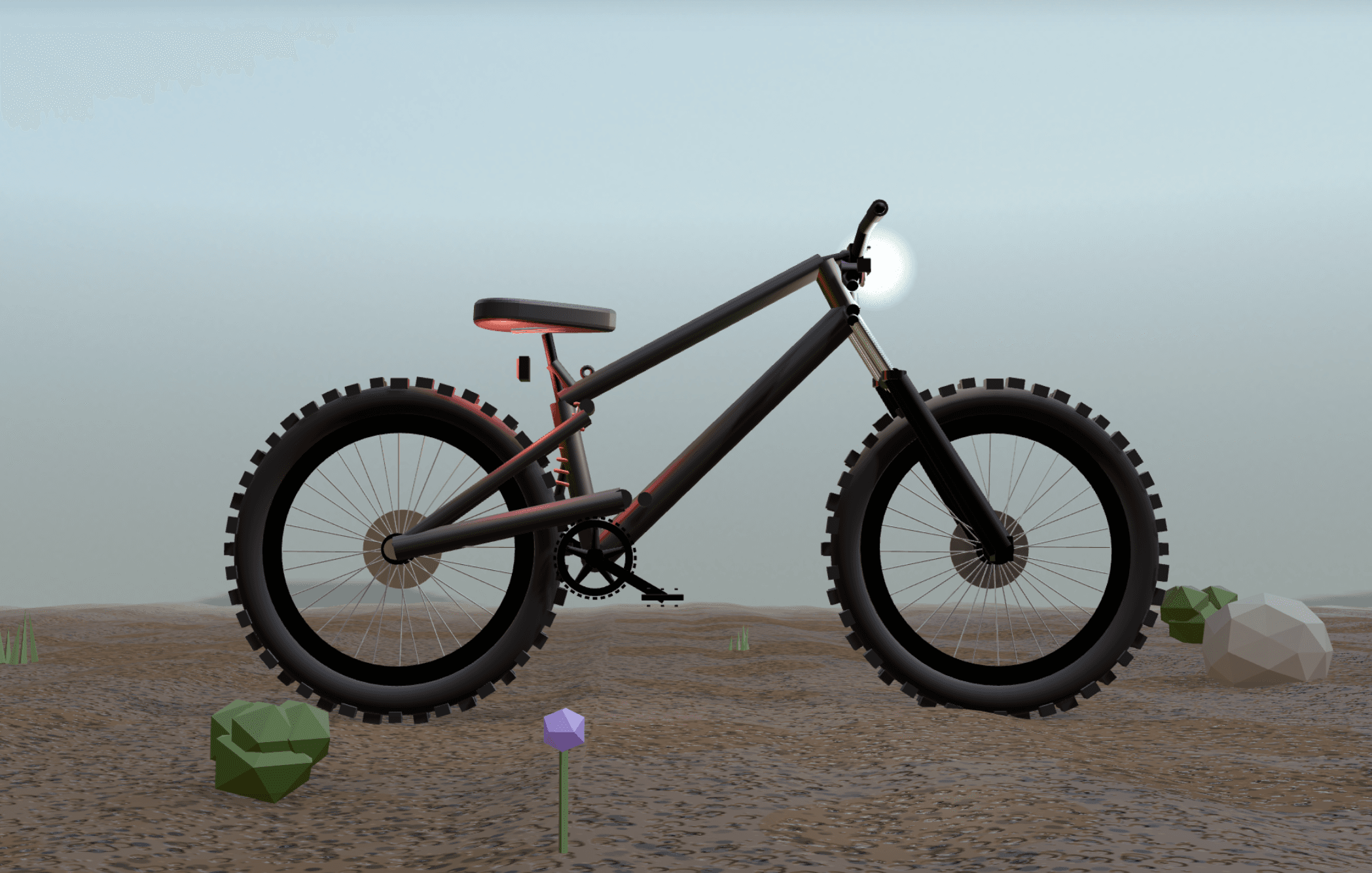
3D Bicycle Configurator
Designing an immersive web-based 3D bicycle configurator that transforms product exploration into an engaging digital experience.
Sixfold OS
The operating system for product maturity.
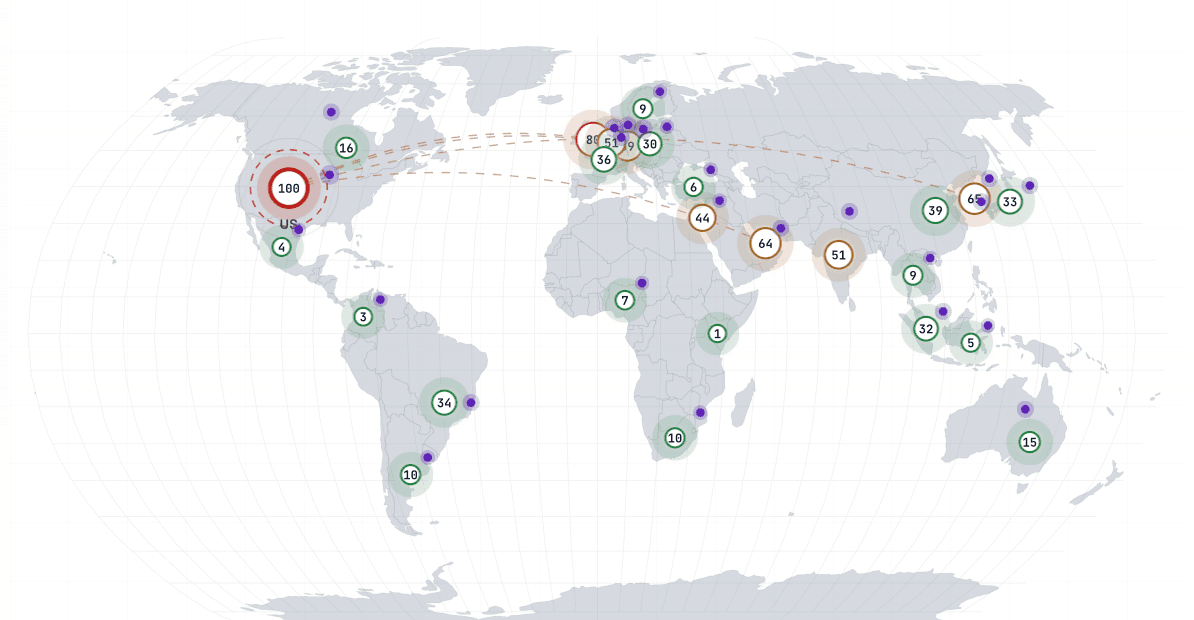
Observa – Geo-Political Observability
An experimental intelligence platform that connects regional events, cyber intelligence, environmental data, and operational awareness into one explainable observability workspace.
How collaboration works
- 01
Understand the system
Capturing the technology, users and work context together with your experts.
- 02
Order the structure
Clarifying the information and interaction structure.
- 03
Design the interface
Designing interfaces that make complexity operable.
- 04
Build
Building the interface, dashboard or tool into a working system.
- 05
Validate & hand over
Testing in real operation, sharpening and handing over documented.
Direct answers
Industrial UX makes technically dense systems operable — interfaces, information structures and interaction for environments where errors are costly, rather than generic surfaces.
Yes. That's exactly the focus: the human-system layer. Your experts know the domain — Mitterberger:Lab designs the interface that makes it operable.
Yes. Technical dashboards and monitoring views that make state and next action clear are core work — from data logic to the interface.
Not as well as you — and that isn't the claim. Mitterberger:Lab works closely with your experts and designs the digital layer where people work with the system.