
AI & Automation
Automation that understands your context — not just runs rules.
Most automations fail not on technology but on missing product and systems thinking. We connect existing data, APIs, and processes with tailored workflows and AI models — where it measurably reduces friction, not where it looks innovative.
What you get
- Recurring manual work reduced or eliminated
- AI features grounded in product strategy and UX, not feature theatre
- Reliable data pipelines instead of fragile ad-hoc scripts
- A clear line: what gets automated and what stays human
How we work
- Process mapping: which steps are even worth automating
- Check data quality and availability before models enter the picture
- Incremental automation with clear fallbacks
- Monitoring and explainability from the start
Useful when
- Lots of recurring, rule-based manual work ties up capacity
- Data sits scattered across several systems
- AI ambition meets uncertainty about where it actually helps
Less suitable when
- A one-off task with no repetition
- Data is too incomplete or unreliable for defensible results
- Automation for its own sake without measurable benefit
Related services
Related case studies
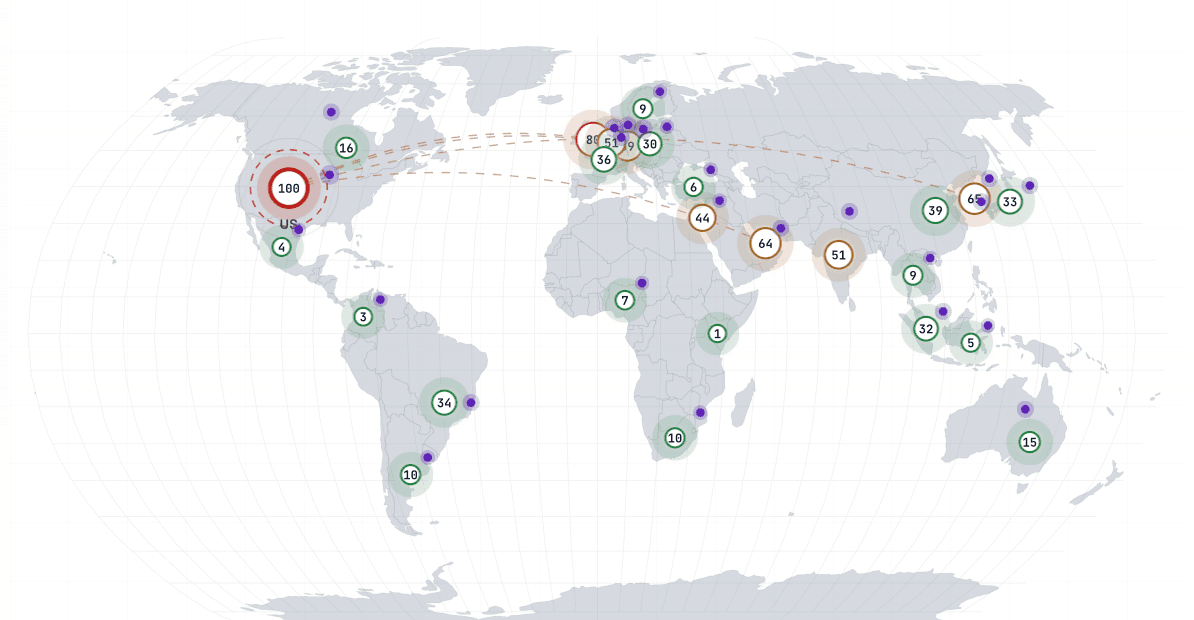
Observa – Geo-Political Observability
An experimental intelligence platform that connects regional events, cyber intelligence, environmental data, and operational awareness into one explainable observability workspace.
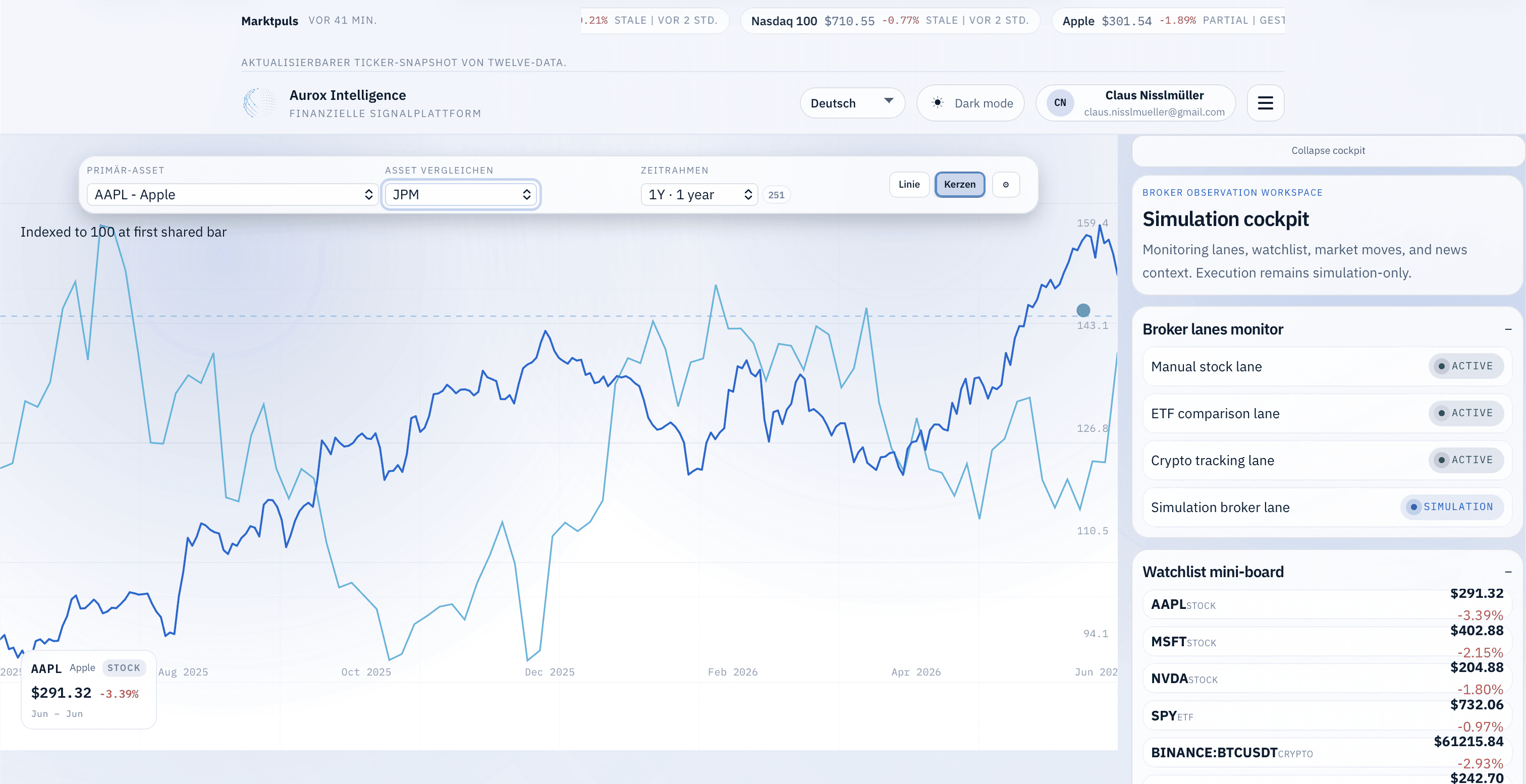
Aurox Intelligence
Simulation-first Financial Intelligence for Transparent Decision Making.
Related comparisons
Related problems
Related answers
Direct answers
Not always. Many valuable automations are rule-based or use small, clean datasets. What matters is data quality, not volume — and whether the process is repetitive enough.
Clarity on the right path — with evidence.
A structured, independent audit shows whether and how this solution fits your system.